
FUDO and FOOD—Tsuruoka Food Festa celebrates its Food Culture: Experiencing the Power of Food Connecting Us to the World in Tsuruoka, a UNESCO Creative City of Gastronomy
Hello everyone!
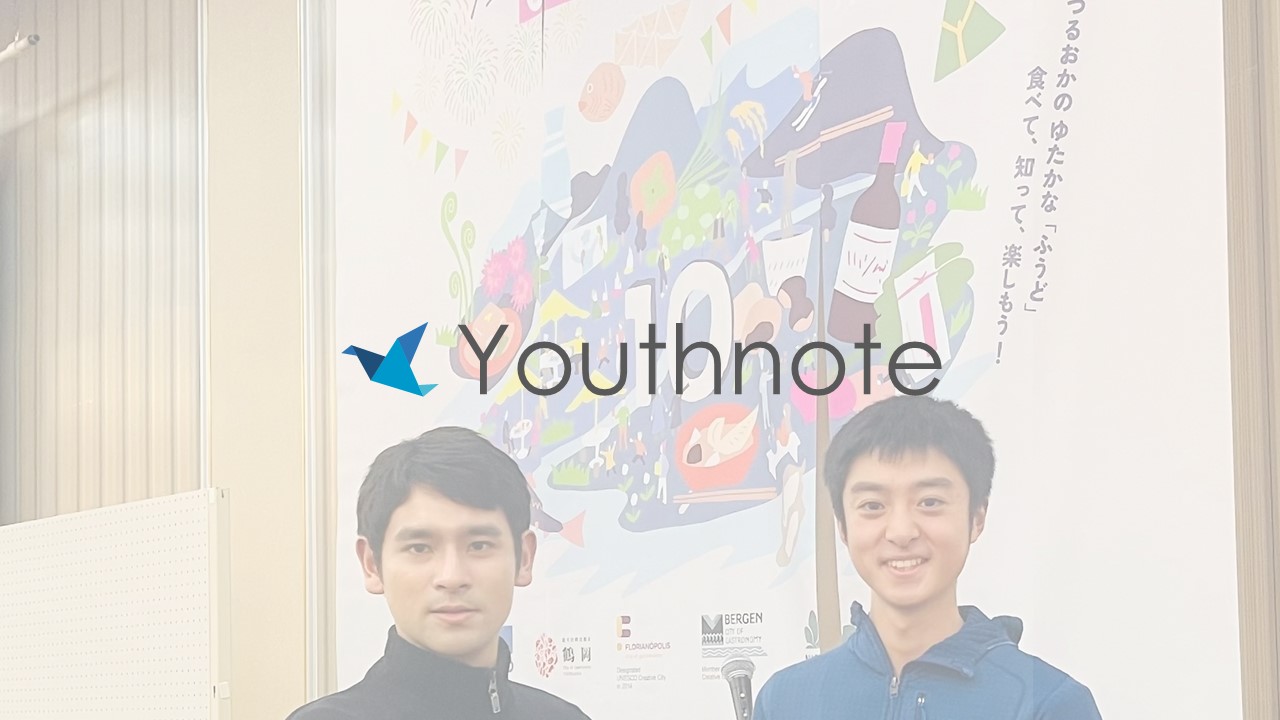
From 7–9 December 2024, we, Akitoshi Nagasawa Pati and Yoichi Sato, two members of the Youth Committee of the Japanese National Commission for UNESCO visited Tsuruoka City in Yamagata Prefecture, a member city of the UNESCO Creative Cities Network (UCCN) for Gastronomy. The purpose of this study visit was to witness firsthand the food culture initiatives of Tsuruoka City, which is celebrating its 10th anniversary as a Creative City, as well as to build networks with youth and other UCCN stakeholders, through participation in the Tsuruoka Food Festa held on 7–8 December and an excursion on the 9th.
In December 2014, Tsuruoka City was the first city in Japan to be designated a UNESCO Creative City of Gastronomy. To commemorate the 10th anniversary of this designation, Tsuruoka City organised the Tsuruoka Food Festa. “Food” in this title has the double meaning of “fudo” (lit. local environment/background in Japanese) and “food,” thus symbolising the close connection between Tsuruoka’s food culture and the region’s nature, history, and spirituality.
Background Culture: Living Cultural Heritage Nurtured by the Local Environment
Tsuruoka City is a city blessed with a rich food culture and enjoys the bounty of each season. This unique culture is not just about delicious food; it is established as a culinary system interwoven with the local climate, history, and spirituality. The grandeur of mountains like Mount Chokai and the Dewa Sanzan mountains, the vast fields of the Shonai Plain, and the verdant Sea of Japan with abundant seafood—the richness of ingredients brought by this geographical diversity has developed and sustained the region’s food culture. Moreover, in the Dewa Sanzan mountains, a sacred area of mountain asceticism with over 1,400 years of history, the food culture and the spiritual culture have been intertwined in the form of shojin ryori (vegetarian cuisine), allowing the blessings of nature to be enjoyed. Adding to that, numerous traditional crops have been passed down for hundreds of years and are still thriving. These are not mere “ingredients” but embody the region’s culture itself, continuing to captivate visitors from Japan and overseas as a “living cultural heritage.”
Moreover, Tsuruoka City’s food culture is deeply rooted not only in daily meals but also in annual events and festivals. 9 December, when the authors were staying in Tsuruoka, coincided with Daikokusama no Otoshiya (eve of the New Year season for Daikokuten), a unique Shonai event where gratitude for the year is offered to the deity Daikokuten by praying for the next year’s bountiful harvest and the prosperity of the descendants. In that traditional event, people savour dishes featuring mame (beans), such as kuromame-namasu (vinegared black beans with radish), kuromame-gohan (black beans and rice), and natto (fermented soybeans), in wishing for everyone’s mame (health, having the same sound as beans in traditional Japanese). These ceremonial foods serve as a link between people, nature, and the region’s history and are still treasured and passed down today.
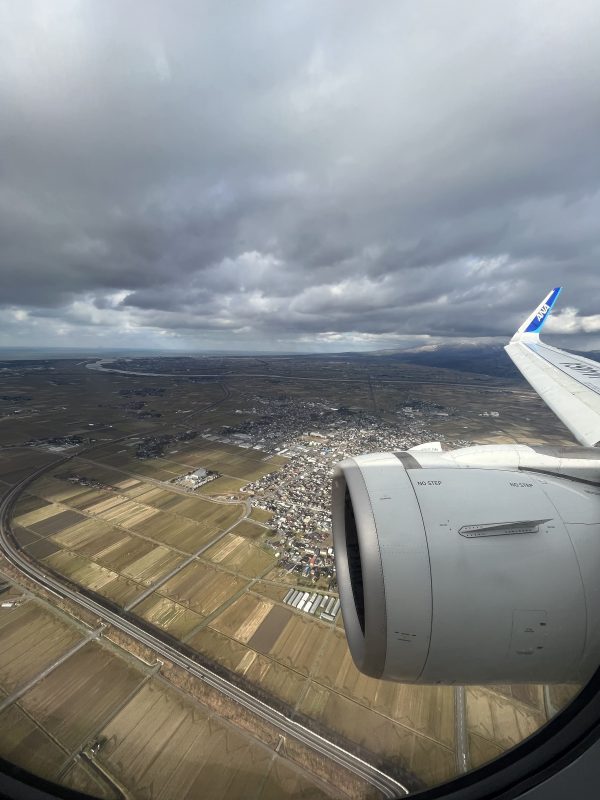
The majestic nature of Tsuruoka welcomed us: The Shonai Plain, the Sea of Japan, and Mount Chokai spread out below.
Local Ties and Youth Initiative: The Success of the Phantom Udon! Shonai Agriculture High School Takes on a Regional Revitalisation Project
On 7 December, the first day of our tour, many people within and outside Tsuruoka gathered at the Grand el Sun, a wedding venue in Tsuruoka City. Diverse programmes were held, including the Food Marche featuring sales of and activities introducing food and craft items, as well as cooking demonstrations and tastings from 10 cities around the world. Among the programmes that particularly impressed us was the talk session featuring local chefs, university professors, and regional entrepreneurs. Lively discussions were held on such topics as “Why Tsuruoka was selected as a UNESCO Creative City of Gastronomy” and “Past Initiatives and Future Prospects”.
Amidst these programmes, a youth initiative was presented: “Operation Shono Udon!” by students from Yamagata Prefecture Shonai Agriculture High School. The Shonai region of Yamagata Prefecture, where Tsuruoka is located, has a traditional food called Shonai udon (wheat noodles) made solely from wheat flour, salt, and water, and passed down since the Edo period. Now, as an attempt to revitalise the region, students at Shonai Agriculture High School are producing and selling this Edo-period heritage food as part of their food processing classes. The project is named “Operation Shono Udon!” Entering its sixth year in 2024, from late August to early October, nine local eateries in the Fujishima District in Tsuruoka served dishes featuring Shono Udon as a limited-time offer. They became immensely popular and hard to get, giving the udon the nickname “Phantom Udon”. When it was sold at the Tsuruoka Food Festa, a long line formed immediately. It sold out instantly, proving again its high popularity. This success clearly showed the significance of the initiative, which is a local food culture created by youth, going beyond just food production and marketing.
Furthermore, Shonai Agriculture High School, alongside Tsuruoka City, is actively engaging in exchanges with Usuki High School in Usuki City, Oita Prefecture, another UNESCO Creative City of Gastronomy. “Interacting with youth from other Creative Cities has been a great encouragement for our activities”, one student said, highlighting the potential for invigorating Creative City activities and expanding their value through youth collaboration between Creative Cities, as envisioned by the Youth Committee of the Japanese National Commission for UNESCO.
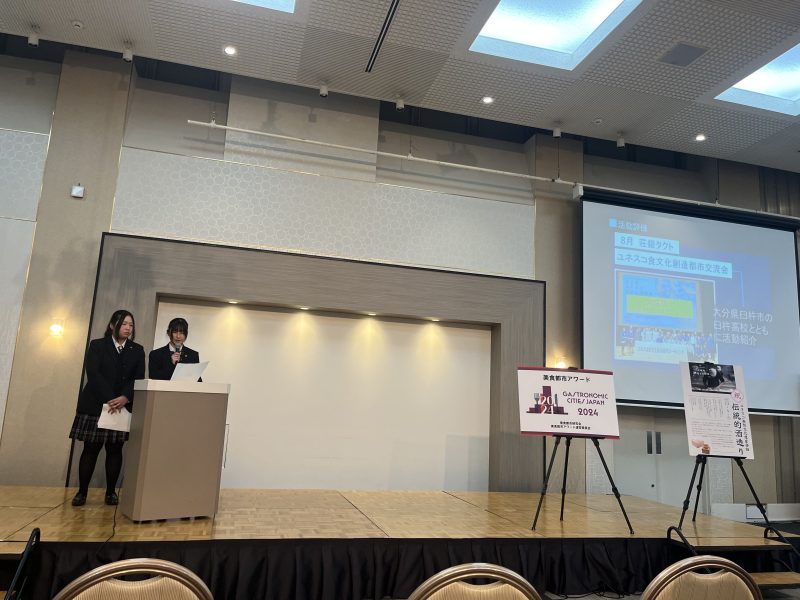
Shonai Agriculture High School students presenting the strong outcome of the Operation Shono Udon!
Connecting with the World through Culinary Exchange: Cuisines of the UNESCO Creative Cities of Gastronomy in One Place! Tsuruoka’s World Tour Dinner
On the evening of the second day of the tour, a dinner event was held as a special event of the Tsuruoka Food Festa celebrating the 10th anniversary of being designated as a UNESCO Creative City of Gastronomy. The event invited chefs from UNESCO Creative Cities of Gastronomy worldwide and from overseas sister cities, who showcased their skills through a course menu.
It was a culinary journey around the world through a ten-dish course. Each plate embodied the regional identity of the participating chefs from Japan and overseas with different backgrounds. As the chefs introduced the background of each dish, we learned how climate, the natural environment and history have influenced cooking techniques and ingredient combinations. While Northern Europe’s culture of preserved foods developed to survive the harsh winter cold, Tsuruoka’s fermented food culture has taken root as a unique wisdom that takes advantage of the humid climate. It was an experience that satisfied our minds, hearts, and stomachs! Savouring each dish, imbued with the region’s history and sentiment, allowed the underlying stories to emerge, offering a tangible experience exemplifying the potential for cultural exchange through food.
At this dinner event, I happened to be seated next to Tsuruoka Mayor Osamu Minagawa. It was a fortunate and valuable opportunity for me to speak with the mayor about the activities of the Youth Committee of the Japanese National Commission for UNESCO and our collaboration with Tsuruoka City.
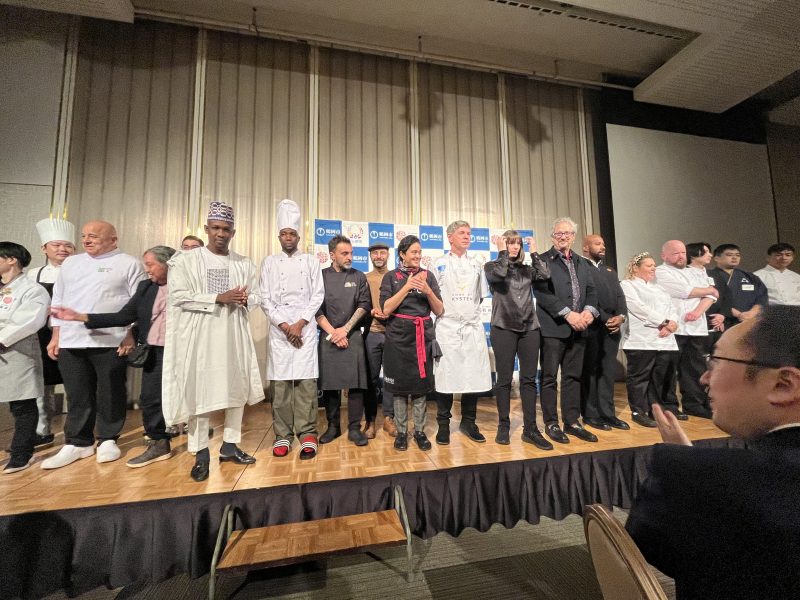
Chefs from 10 cities around the world gathered in Tsuruoka!
Experiencing the Connection between Tsuruoka’s Spiritual and Food Cultures along with Food-related Wisdom, alongside Guests from Japan and Abroad!
On 9 December, through the courtesy of Tsuruoka City, we were able to join an excursion tour to explore Tsuruoka’s food culture, which was organised for chefs and Creative Cities Network representatives from Japan and abroad. Using the Tsuruoka Food/Fudo Guide for guidance, the group departed from Suiden Terrasse (lit. terrace in the rice fields), a hotel amidst the rice fields of the Shonai Plain, and headed for Mount Haguro, one of the three Dewa Sanzan mountains. After changing into rubber boots, we stepped onto the sacred grounds, which were shrouded in an ethereal atmosphere. Despite the sleety weather, both international and domestic participants were thrilled to see the national treasure-designated Five-Story Pagoda of Mount Haguro! The chef from Iloilo City, Philippines, was absorbed in taking photos, saying, “I want to share the sacred atmosphere of Mount Haguro with the people of Iloilo! The fusion of spiritual and food cultures is so enlightening!” We also happened to encounter a yamabushi (mountain priest) in training! We received a valuable lecture on what yamabushi is, an essential presence for discussing the spiritual and culinary culture of Tsuruoka.
Subsequently, the group visited Saikan (website in Japanese), which was adjacent to the Dewa Sanzan Shrine. Head Chef Ito explained the history of shojin ryori (Buddhist vegetarian cuisine), the ingredients used, and methods for preserving and cooking wild mountain vegetables and mushrooms. We also sampled several types of dashi stock, enjoying the synergistic effects created by their combinations. After the lecture, it was time for the fun part: the shojin ryori meal! The variety of dishes was so rich that it was hard to believe they did not contain any meat or fish. Everyone was amazed by the generous use of native crops and wild vegetables! The sesame tofu topped with a sweet bean sauce unique to the Shonai area was particularly exquisite.
After experiencing the deliciousness and history of native crops through shojin ryori, the group concluded the tour with a visit to Tsukemono-dokoro Honcho (lit. pickle-place Honcho, website in Japanese), a pickle company boasting over 100 years of history that sells pickles made with a wide variety of native crops. President Honma gave us an introductory talk about the pickling culture passed down in Tsuruoka. Recently, the company has also begun selling products like Zao Cream Cheese Kasuzuke (pickled in sake lees), embodying the fascinating blend of the passing on and creating of culture.
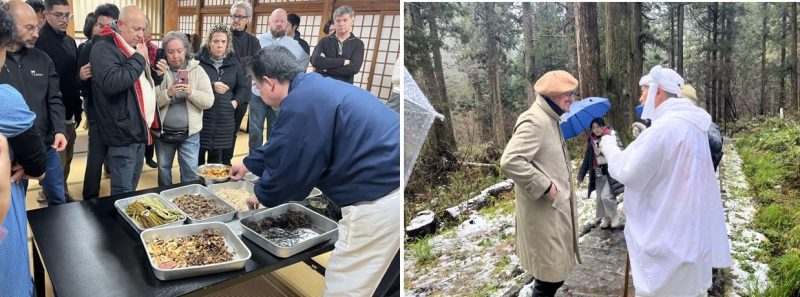
The participants actively engaged in conversations with the local people during the excursion
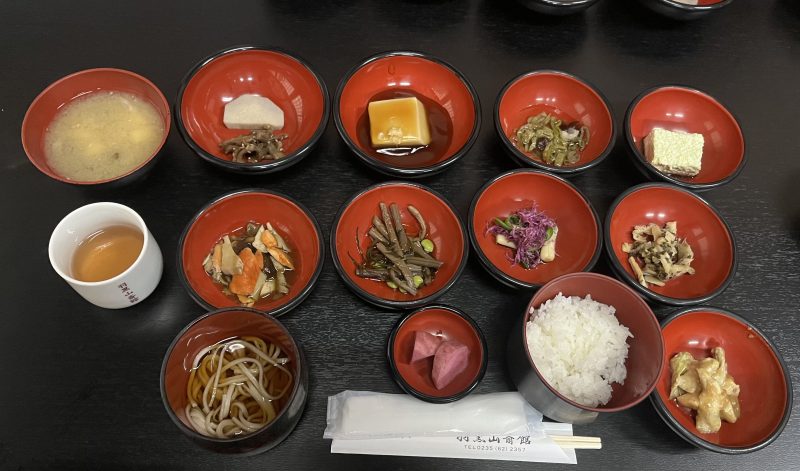
A Living Culture Connecting to the Future and the World
Through the stury tour, we gained first-hand understanding of Tsuruoka City’s food culture as a living culture connecting the past to the present. Tsuruoka’s ten-year journey as a UNESCO Creative City of Gastronomy goes beyond the honour of being a UCCN designated city. Indeed, it has been a series of efforts made to preserve the region’s food culture and explore its potential. The Tsuruoka Food Festa surely served as a crucial opportunity to connect these ten years of effort to the future and the world.
In addition to the aforementioned Shono Udon presentation, this event offered numerous activities and presentations to convey the vitality of youth activities focused on the inheritance and creation of food culture throughout the venue, including presentations of food-related projects involving university and high school students and a display of newspapers about food culture created by local primary school pupils. In addition, many high school students, primarily from Tsuruoka City, also participated as volunteers to enjoy interacting with many people from Japan and abroad through food.
Furthermore, the chefs visiting Tsuruoka to present their dishes at the event not only found inspiration for their own cuisine from Tsuruoka’s food culture but were also inspired by the culinary skills of the other chefs and vowed to meet each other again, while the participating Creative City representatives expressed on a number of occasions their desire to promote collaboration with other Creative Cities of Gastronomy. In this way, the event demonstrated the potential of Tsuruoka City as a hub, in addition to promoting the region’s local food culture to the world, to connect global food cultures and Creative City activities.
The Second Tsuruoka Creative City of Gastronomy Promotion Plan (website in Japanese), formulated by Tsuruoka City in March 2025, outlines a five-year plan for promoting the city over the period from FY 2025 to FY 2029 based on the shared ideal: “Tsuruoka, a Creative City of Gastronomy blessed with abundant nature, history, and tradition, where people, communities, and industries shine together to create a food utopia.” In that plan, “Basic Goal 1: Supporting Industry alongside food culture” articulates that Tsuruoka will continue its collaborative efforts with youth, such as support for human resource development through agricultural product processing at Shonai Agriculture High School and fisheries product processing at Kamo Fisheries High School, while strengthening its initiatives, including the facilitation of mutual exchange and collaboration with UNESCO Creative Cities domestically and internationally, and support for knowledge acquisition and technical refinement through exchanges with chefs from overseas. These actions are set in accordance with the following statement from the Goal 1 section: “Tsuruoka, as a UNESCO Creative City of Gastronomy, will communicate the value and appeal of our food and food culture both domestically and internationally. We will also promote exchanges through networks such as the UCCN, aiming to boost tourist attraction and expand the exchange population”.
Tsuruoka City now recognises that the potential and promise of its Creative City activities lie in creating unique collaborations and exchanges through its international network and inheriting and creating food culture through collaboration with youth. As such, we are convinced that the city has established fertile ground for further invigorating its international and future-oriented Creative City activities.
This study tour provided valuable knowledge and insights about diverse subjects, including the pioneering youth initiatives within Creative Cities and the supportive role of the local government. It also provided an opportunity to consider the local culture, history, and future through food. We sincerely hope that Tsuruoka City’s food culture will continue to be shared further both domestically and internationally and passed on to new generations. We will also make full use of the network cultivated with Tsuruoka City to engage in future activities of the Youth Committee of the Japanese National Commission for UNESCO.
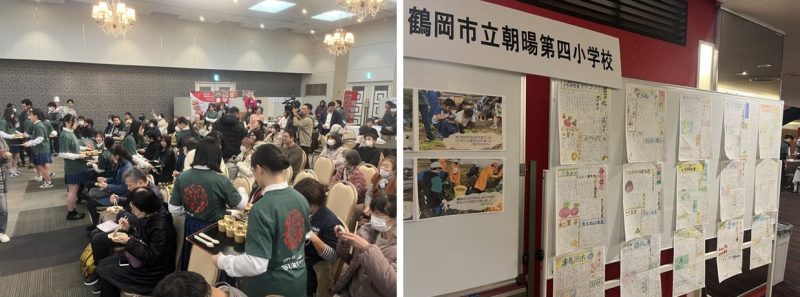
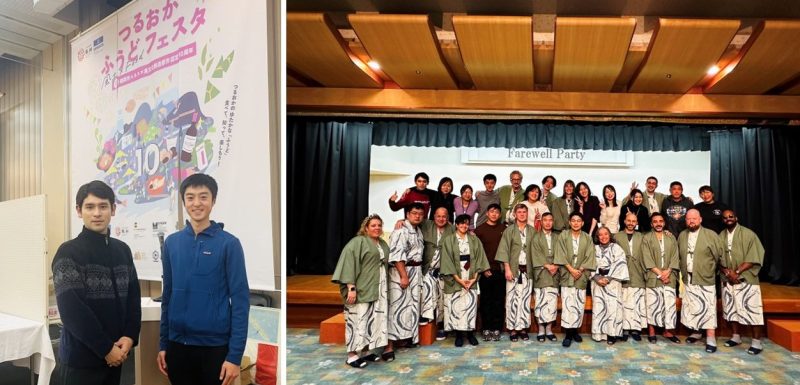
The future-oriented vigour of Tsuruoka’s Food Culture was felt throughout the venue
DATA
| Event | Tsuruoka Food Festa (website in Japanese) |
|---|---|
| Date | 7–9 December 2024 (Saturday–Monday) |
| Place | Various locations in Tsuruoka City, Yamagata Prefecture |
| Report by | Akitoshi Nagasawa Pati and Yoichi Sato (Youth Committee of the Japanese National Commission for UNESCO, as of June 2025) *This is an English translation of an article that was originally written and published in Japanese on 9 July 2025 (https://unesco-sdgs.mext.go.jp/column/youthnote-0709). |