A UNESCO International Forum Participation Report
Hello everyone! My name is Yuki Kawabata, a member of the Youth Committee of the Japanese National Commission for UNESCO, and an undergraduate student at the Faculty of International Liberal Arts, Akita International University. As of June 2025, I am spending a year studying abroad as an exchange student at the University of Lapland in Finland. My subject is Education and Regional Development Studies. In this Youthnote, I would like to report my experience at the UNESCO International Forum in South Korea.

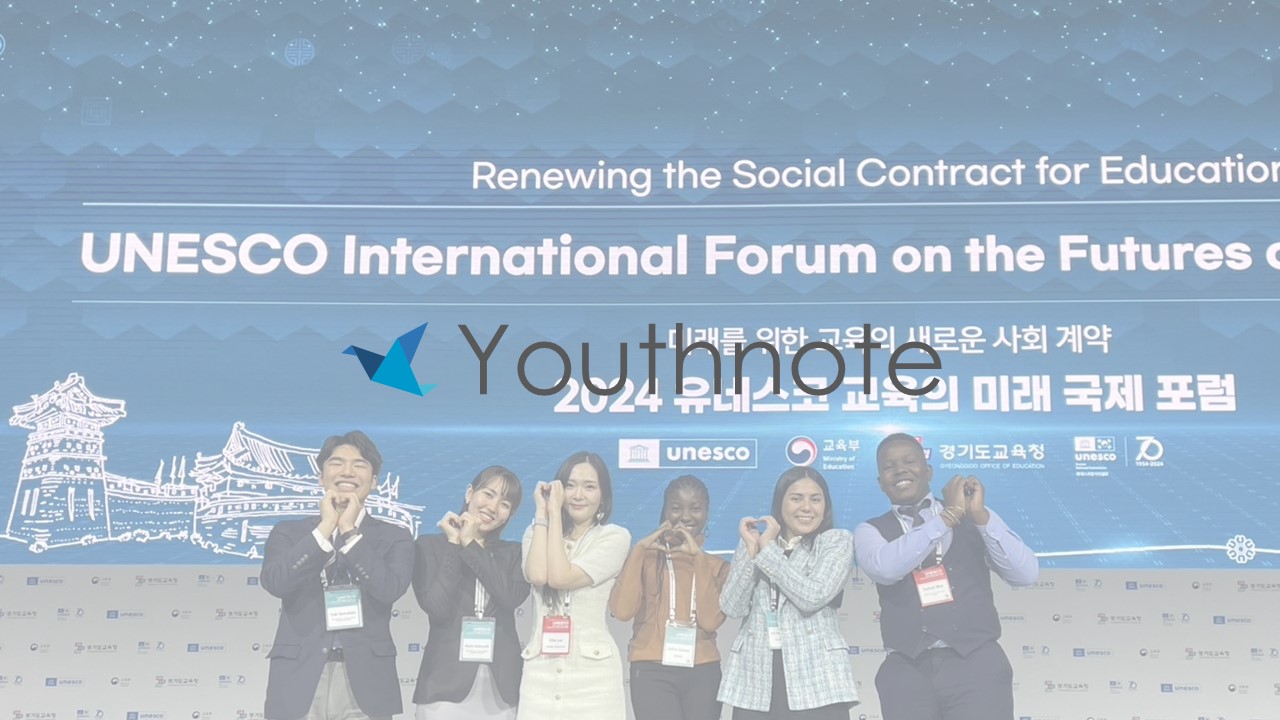
I attended the UNESCO International Forum on the Futures of Education 2024, held in South Korea from 2 to 4 December 2024 as the youth representative for Japan. Co-organised by UNESCO, the Ministry of Education of South Korea, and the Korean National Commission for UNESCO, the forum brought together officials from education ministries worldwide, UNESCO staff, experts in educational development, school staff, and youth to discuss the theme “The Future of Education”. Not only did we discuss current educational issues facing each country, but we also shared various insights on the future of education. Representing the Youth Committee of the Japanese National Commission for UNESCO, I focused on participating in breakout sessions and networking with experts who are active at the forefront of educational development.
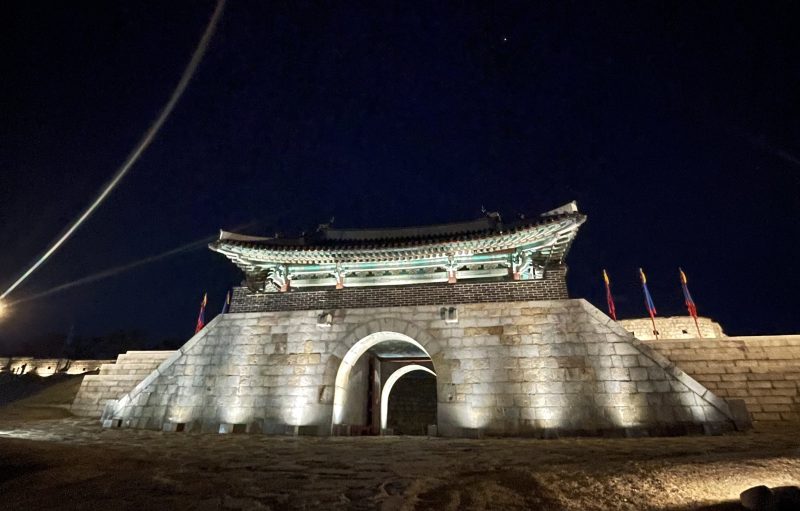
Suwon Hwaseong Fortress at Night
Suwon City, the host city of this forum, is home to Suwon Hwaseong Fortress, a UNESCO World Heritage Site. In the evening, I visited the fortress, strolling among its magnificent walls and ruins, experiencing Korea’s beautiful cultural heritage.
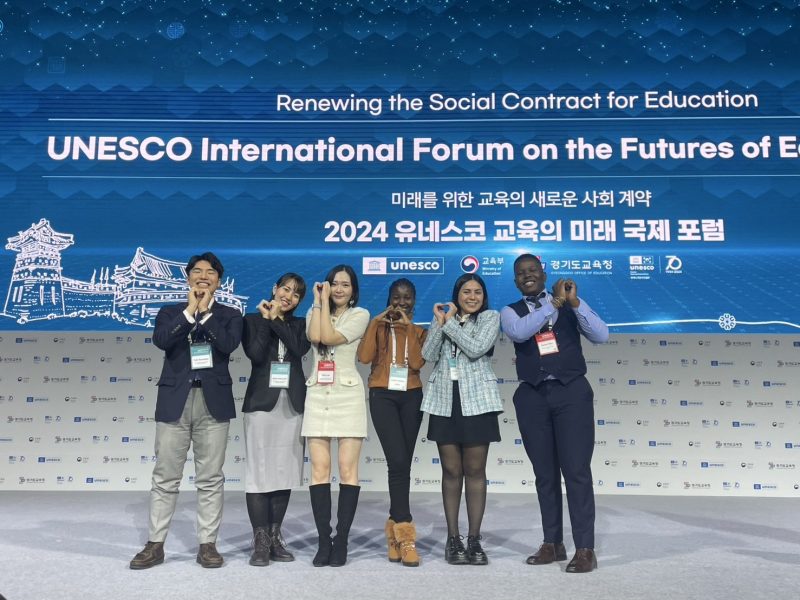
With youth representatives from around the world
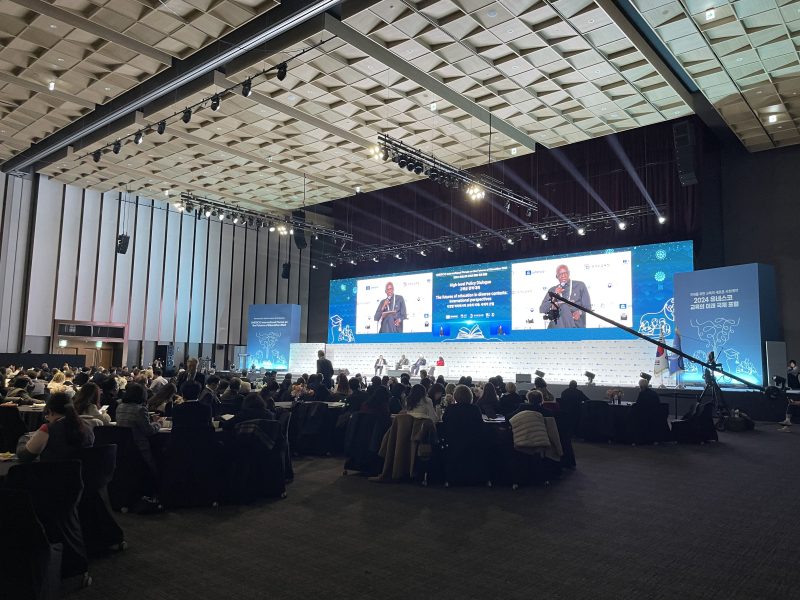
Suwon Convention Center, the venue
Although a declaration of martial law was announced on the first night, the forum proceeded as scheduled. With over 1,000 participants, the event had an atmosphere of calm excitement not usually experienced in university lectures.
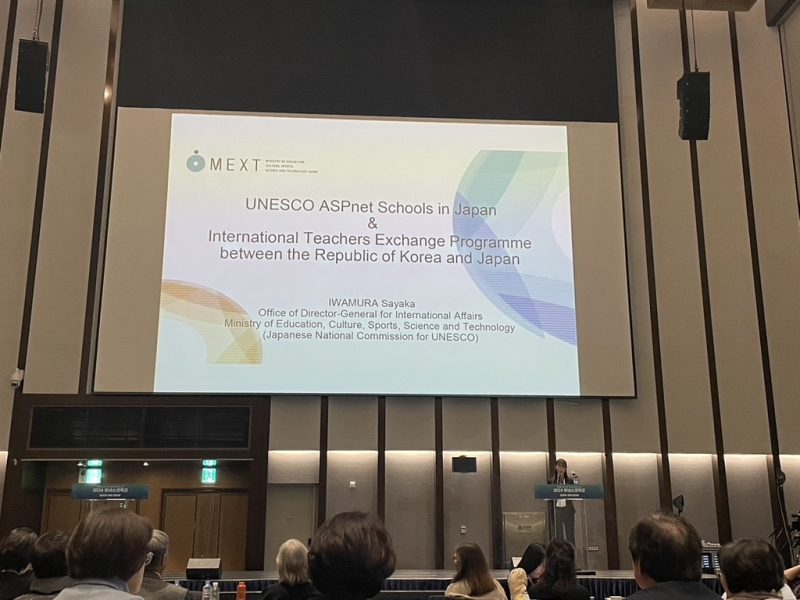
Presentation by the Ministry of Education, Culture, Sports, Science and Technology (MEXT)
During the forum, various sessions and breakout sessions were held, approaching the theme “Future of Education” from diverse perspectives, such as “Advanced Science and Technology and the Future Education Scene”; “The Future of Higher Education”; and “Well-being and Education”. I attended every session I could and identified the following two subjects commonly dealt with across the sessions, which were:
(1) The need to apply digital technologies, including AI, to education
(2) Designing education that leverages local communities
The Need to Apply Digital Technologies, Including AI, to Education
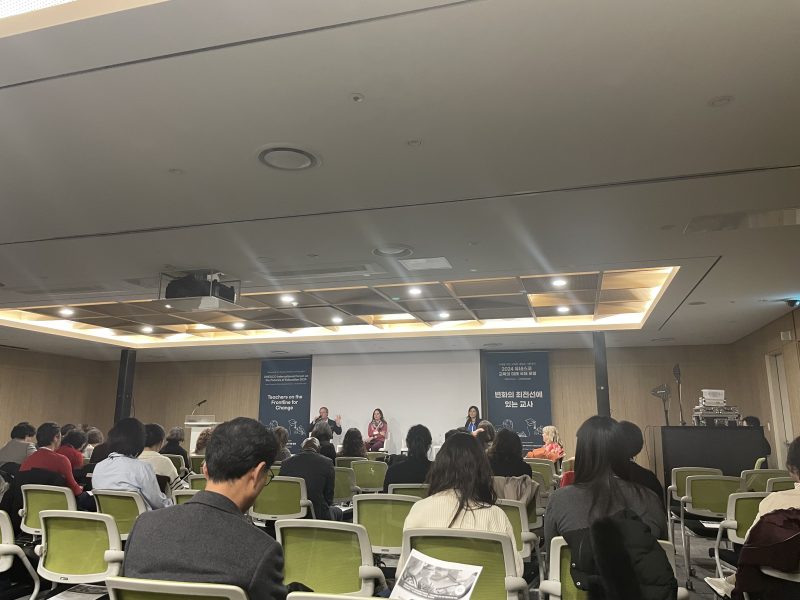
AI and Education breakout session
The “AI and Education” breakout session saw lively discussions about how AI should be applied in education practices. As a university student studying education, I regularly discuss the use of AI in my classes. I was struck by the fact that the very same topic was discussed in an international event like this, simultaneously realizing firsthand that it was an issue to which there was no definitive answer.
The breakout session highlighted how advances in cutting-edge science and technology hold significant potential to greatly improve the quality of education, the efficiency of educational environments, and teachers’ work productivity. On the other hand, it also introduced cases from various countries illustrating such risks as the potential for generative AI to diminish children’s opportunities for independent thinking, reduce exposure to reading materials, and undermine the role of teachers. Some researchers viewed the use of generative AI as an opportunity to promote ICT utilisation and foster digital literacy, actively advocating its advancement, while some other teachers argued that in a society where AI and other technologies are advancing anyway, schools should refrain from using generative AI and instead increase children’s opportunities for critical thinking. Witnessing such a discussion firsthand, I came to think that given the significant differences in educational environments across countries and regions, it is essential to utilise AI based on the principle of the right tool for the right job. At the same time, I believe that AI should remain a tool within educational settings, and that education where real people guide and nurture real people will always be indispensable. This session also made me recognise the necessity for research and practice worldwide to find the optimal solution for AI utilisation—how to employ it appropriately and effectively to maximise its contribution to children’s learning.
Designing Education that Leverages Local Communities

Lotion workshop (left) and lotion developed by high school students (right)
I also felt that not only digital but also analogue perspectives are necessary for the future of education. This means that education needs human-to-human communication in local communities. Children can find meaning in their learning by connecting with local communities through school to gain opportunities to apply what they learn at school in the real world.
This forum featured diverse case studies from various countries, and one of those that particularly drew my attention was the booth showcasing lotion products developed by South Korean high school students. The lotion is made using residue from the production of barley juice, a popular drink in South Korea. As the students specialise in chemistry at school, they were able to apply what they learned at school and create new ideas using local resources. It was precisely because of the problem-solving educational design centred on the specific challenge “effectively utilise barley juice residue” that the students succeeded in applying their learning in a real-world context from the perspective of community.
Japan is also leveraging its ESD network to create distinctive, locally based education, and I would expect that Japanese practices could contribute to educational development overseas. By sharing examples of learning that transcend the school framework across nations, we would be able to develop innovative and future-oriented education. To this end, I learned from the forum that educators must constantly reflect on the nature of education from two perspectives: development and locality, while continually renewing oneself to be able to respond to unpredictable future developments.
The Importance of Youth Voices
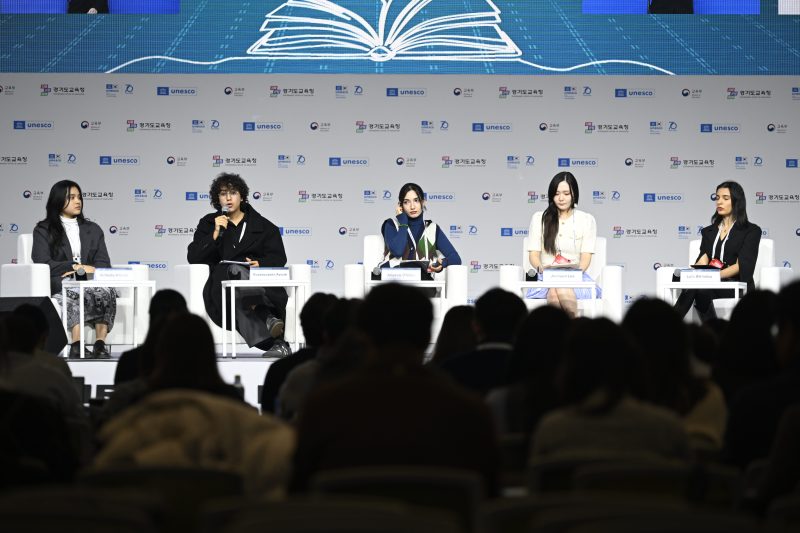
Youth Session
Moreover, this forum reaffirmed the importance of youth-led communication. During the forum, a public debate was held by Korean youth. Following six months of discussions within working groups, this session presented youth perspectives on “The Future of Education”.
・The importance of balancing digital technology and education
・Genuinely reflecting young people’s voices to shape a fair, peaceful, and sustainable future
・Creating a social environment where youth can exercise leadership and freely take on challenges
These three points above particularly impressed me. In Japan, various organisations, including the Youth Committee of the Japanese National Commission for UNESCO, incorporate youth voices into policy formulation and activities. Still, this international forum in South Korea impressed me with its enthusiasm for youth participation. For example, one exhibition booth featured original purikura (photo taking) booths with frame designs related to the SDGs, highlighting a well-planned effort to make UNESCO activities easy for youth to engage with and share. Furthermore, the host organisation, the Korean National Commission for UNESCO, has an Instagram account with over 15,000 followers, exemplifying their commitment to information dissemination targeted at youth.
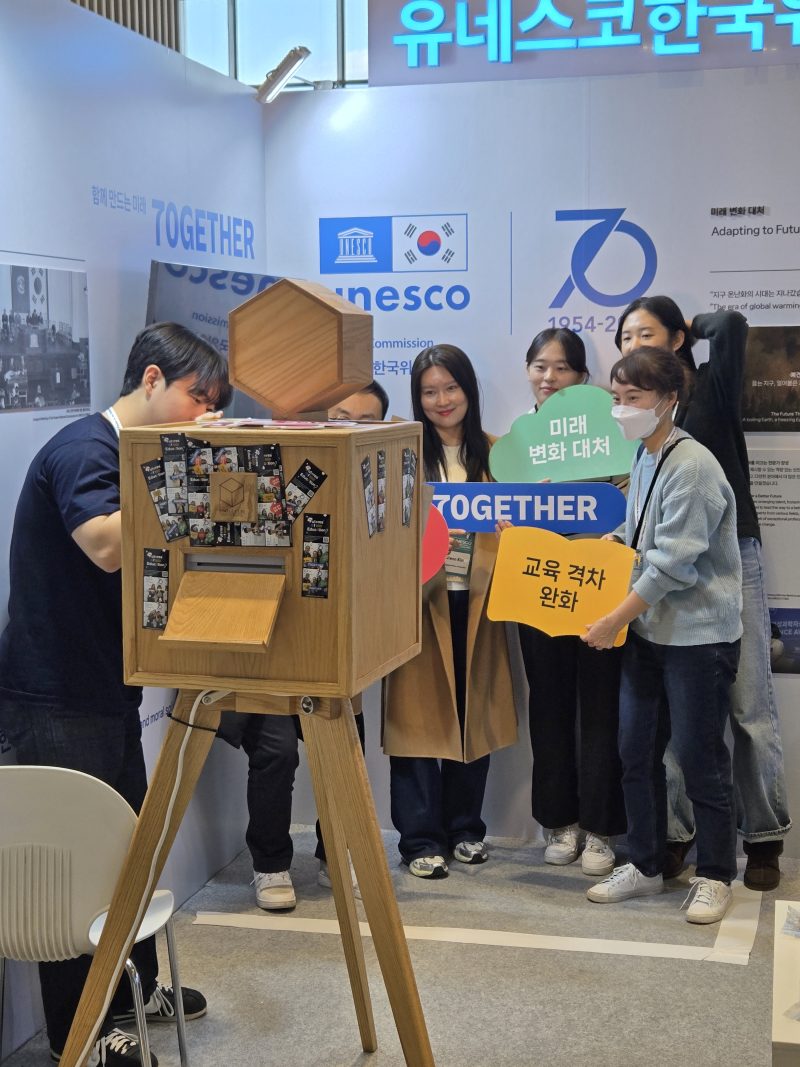
Original purikura photo machine
Closing Word
At the closing session on the last day of the forum, I was given the opportunity to speak before an audience of over 1,000 attendees. Since I had not had a chance to speak as a representative of Japanese youth in any of the breakout sessions or other sessions, I was very pleased to speak at this forum’s final event. In my speech, I emphasised two points: (1) the necessity of considering community in educational development, irrespective of technological advancement; and (2) the importance of co-creating education by pooling the knowledge of educators from around the world. The forum proceedings were translated online into Korean, French, and the sign languages of each language, which gave me the immediate sense that my ideas reached a global audience. On top of that, I gained a new goal for myself: if I have another opportunity like this, I would very much like to discuss, from a youth perspective, Japanese youth’s effort to promote UNESCO activities and to develop them further in the future.
Attending this forum made me realise not only the importance of improving education now but also the vital need to create education with the future in mind. Amidst the development of AI and unpredictable environmental changes, I truly felt that the spirit of working hand-in-hand to improve education, both between individual educators in each country and across networks, is indispensable for the future. I myself will cherish the connections gained at the forum and do my best towards further activities.
DATA
| Event | UNESCO International Forum on the Futures of Education 2024 |
|---|---|
| Date | Monday 2–Wednesday 4 December 2024 |
| Place | Suwon, the Republic of Korea |
| Report by | Yuki Kawabata (Youth Committee of the Japanese National Commission for UNESCO, as of December 2024) |
| Forum website | https://www.unesco.org/en/renewing-education-transform-future |